
Online ADHD Education Resources: Online ADHD Blogs for Better Education

Living with ADHD or supporting someone who does can feel overwhelming, especially when trustworthy, culturally relevant information is hard to find. We understand the importance of accessible, science-backed education that respects the unique experiences of Black and Brown communities. That is why we want to share how online ADHD education resources, particularly blogs, can empower us all to learn, grow, and connect.
Why Online ADHD Education Resources Matter
ADHD is often misunderstood, and many adults and families in our communities face barriers to accurate diagnosis and support. Online ADHD education resources provide a vital bridge to reliable information that is culturally affirming and grounded in science. These resources help us:
Understand ADHD beyond stereotypes
Access evidence-based strategies for managing symptoms
Find community and shared experiences
Support children, parents, educators, and faith leaders with relevant knowledge
For example, blogs written by people who live with ADHD or who specialize in culturally aware ADHD education offer insights that resonate deeply. They address challenges like navigating healthcare systems, advocating for accommodations, and embracing neurodiversity without stigma.
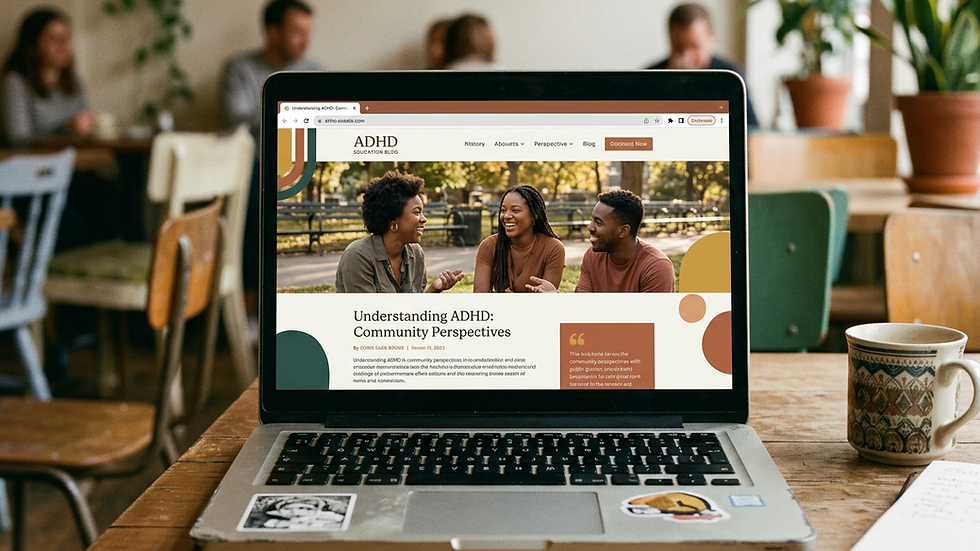
Exploring Online ADHD Education Resources
There is a growing number of online platforms dedicated to ADHD education, but not all are created equal. The Society for ADHD emphasizes resources that are faith-informed, not faith-based, and that honor the lived experiences of Black and Brown communities. Here are some key features to look for in quality online ADHD education resources:
Science-backed and evidence-based content that avoids over-medicalizing or oversimplifying ADHD
Culturally relevant and affirming perspectives that reflect diverse voices and experiences
Community-centered approaches that foster connection and mutual support
Clear, direct, and accessible language that welcomes newcomers and professionals alike
How Blogs Enhance ADHD Education and Awareness
Blogs are more than just articles; they are dynamic tools for education and advocacy. Here’s how they contribute to better ADHD education:
1. Personal Stories and Shared Experiences
Reading about others’ journeys with ADHD helps normalize our own experiences. It reminds us that we are not alone and that ADHD is a part of our identity, not a flaw. These stories often highlight cultural nuances that mainstream resources overlook.
2. Practical Strategies and Tips
Blogs often provide actionable advice for managing ADHD in daily life. This can include organizational tools, mindfulness practices, communication techniques, and ways to navigate school or work environments.
3. Updates on Research and Resources
Staying informed about the latest science and community offerings is easier through blogs. They often summarize complex studies in understandable terms and point readers to support groups, podcasts, and training programs like ADHD Unplugged: Candid Conversations Podcast or ADHD UnMasked Support Groups.
4. Faith-Informed Perspectives
For many, faith is a source of strength and guidance. Blogs that are faith-informed, not faith-based, offer respectful, inclusive discussions that integrate spirituality with ADHD education without proselytizing.

Supporting Our Communities Through Education
Education is empowerment. When we have access to culturally relevant, science-backed ADHD information, we can better support ourselves and those around us. This is especially important for parents, grandparents, educators, and faith leaders who play critical roles in nurturing and advocating for individuals with ADHD.
Here are some ways to use online ADHD education resources effectively:
Share blog posts and podcasts with your community to spark conversations and reduce stigma
Join support groups like ADHD UnMasked to connect with others who understand your experiences
Engage with faith leader training programs such as Different Not Broken to foster inclusive environments
Use practical tips from blogs to create supportive routines at home and school
By embracing these resources, we contribute to closing the gap between reliable information and the communities that need it most.
Continuing Our Journey Together
Our commitment to better ADHD education is ongoing. We encourage everyone to explore trusted online ADHD education resources and participate in community offerings that reflect our values of inclusivity, respect, and empowerment. Remember, you are not broken. You deserve accurate information and a supportive community.
Together, we can build a future where ADHD is understood, accepted, and embraced as part of our diverse human experience.
We invite you to explore more through The Society’s offerings and join us in this important work of education and awareness.


Comments